
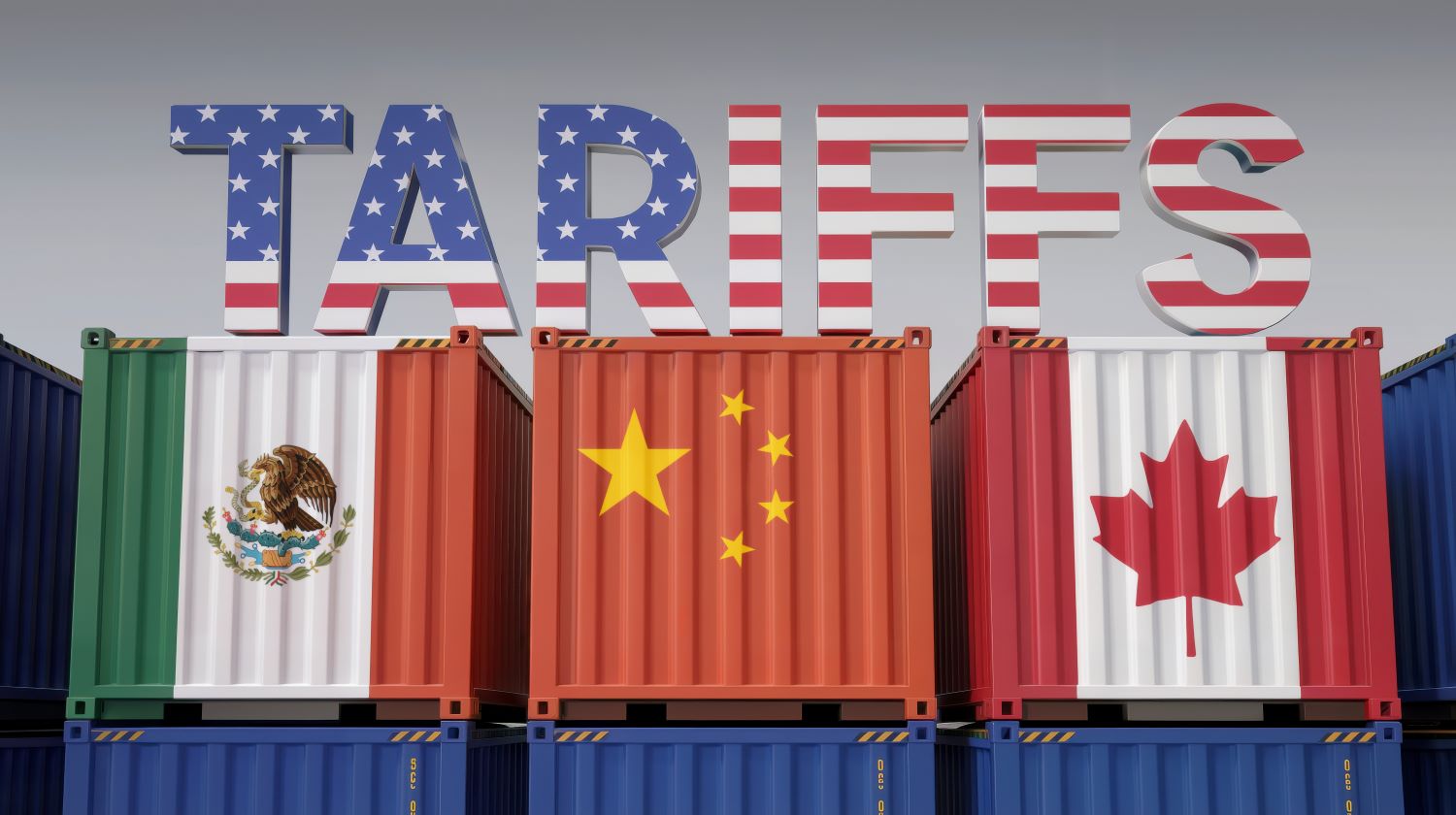
The recent imposition of tariffs by President Donald Trump on imports from Canada, Mexico, and China is poised to significantly impact the U.S. real estate and new construction sectors. These tariffs include a 25% levy on goods from Canada and Mexico and an additional 10% on Chinese imports, affecting a wide array of building materials essential for home construction.
Escalating Construction Costs
A substantial portion of construction materials used in the U.S. are imported:
- Softwood Lumber: Approximately 70% of softwood lumber is sourced from Canada. nahb.org
- Gypsum Products: About 71% of gypsum, crucial for drywall, comes from Mexico. nahb.org
The newly imposed tariffs are expected to increase the costs of these materials, leading to higher expenses for homebuilders. The National Association of Home Builders (NAHB) estimates that these tariffs could raise the cost of imported construction materials by $3 billion to $4 billion, depending on the specific rates.
Impact on Home Prices and Affordability
As construction costs rise, builders may pass these expenses onto consumers, resulting in higher home prices. This escalation could exacerbate the existing housing affordability crisis, making it more challenging for first-time homebuyers and those seeking affordable housing options. The NAHB has expressed concerns that such tariffs “will harm housing affordability,” as increased costs in materials like lumber and other building materials “discourage new development,” ultimately leading consumers to bear the brunt through higher home prices.
Potential Slowdown in New Construction
The increased financial burden on builders may lead to a slowdown in new construction projects. Higher material costs can result in reduced profit margins, causing builders to delay or cancel planned developments. This slowdown could tighten housing supply, further driving up prices in the existing home market. The NAHB has noted that “tariffs on building materials raise the cost of housing,” with consumers ultimately paying “in the form of higher home prices.”
Broader Economic Implications
The tariffs’ impact extends beyond the housing market. Increased construction costs can affect commercial real estate development, leading to higher rents for businesses and consumers. Additionally, the tariffs may contribute to inflationary pressures as the costs of goods and services rise, influencing interest rates and the broader economy. The Wall Street Journal reports that these tariffs “will notably increase costs on fruits, smartphones, and other items,” with retailers needing to “raise prices on fresh foods rapidly.”
Navigating the Challenges Ahead
Stakeholders in the real estate and construction industries must adapt to these changes by exploring alternative sourcing options, investing in cost-saving technologies, and advocating for policies that mitigate the tariffs’ adverse effects. Consumers should stay informed about market trends and consider the potential long-term impacts on housing affordability when making purchasing decisions.
In conclusion, the recent tariffs present significant challenges to the U.S. real estate and new construction sectors, with the potential to increase costs, reduce affordability, and slow down development. Proactive measures and strategic planning will be essential to navigate this evolving landscape.