
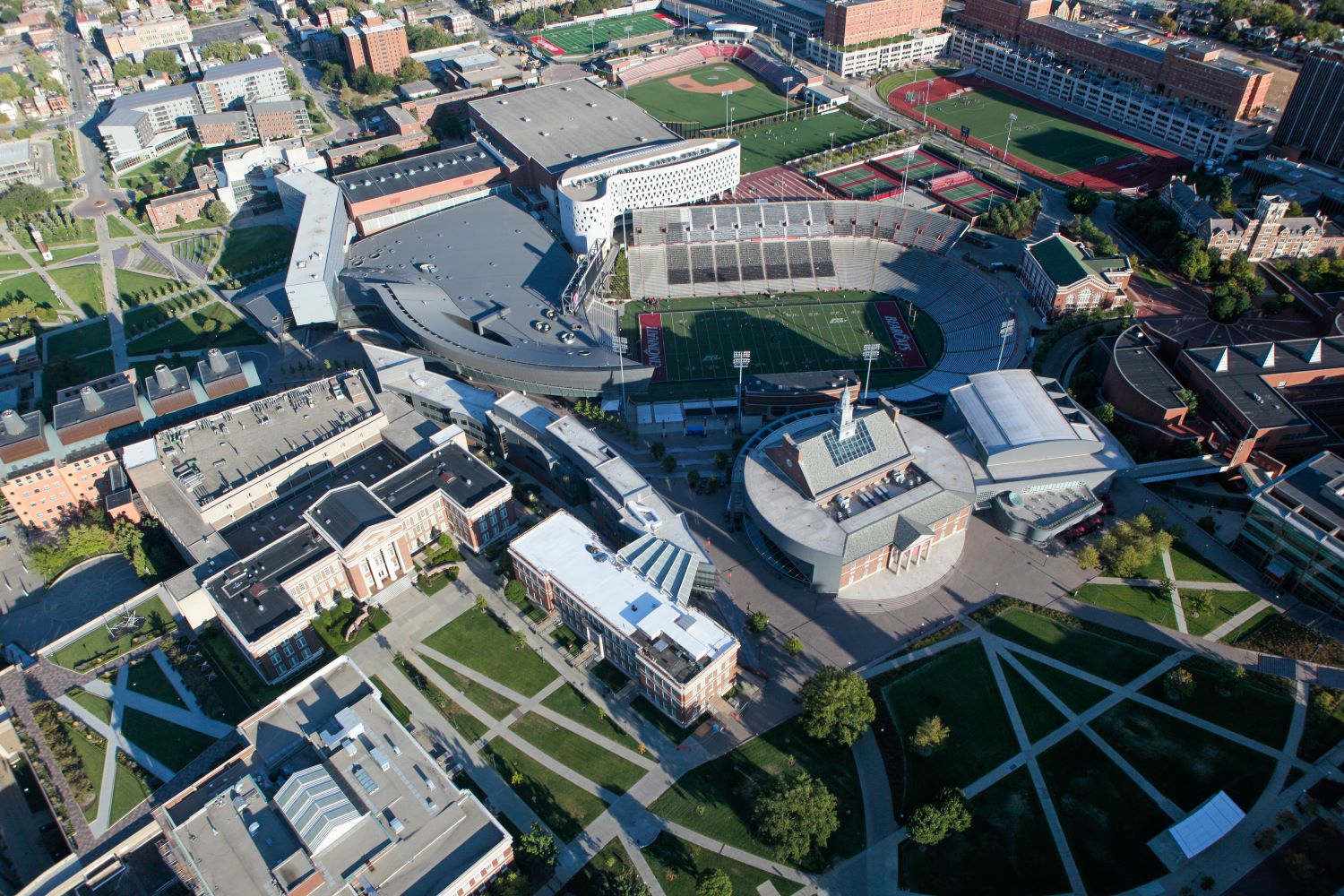
Investing in student rental properties near Xavier University or the University of Cincinnati can be a lucrative venture. However, owning a student rental near these institutions differs significantly from owning traditional rental properties. Let’s explore these key differences and why they matter for prospective landlords.
1. Tenant Turnover
One of the most notable differences in owning a student rental near Xavier University or the University of Cincinnati is the high tenant turnover rate. Students typically sign leases for a full year, usually from August to July, resulting in annual vacancies. This turnover necessitates a robust marketing strategy to ensure the property is leased year-round.
2. Lease Terms and Agreements
Student rental properties near these universities often require full-year lease terms. Aligning leases with the academic calendar and ensuring leases run from August to July can help secure steady occupancy. It’s crucial to start marketing and renewing leases well before the current lease term ends to avoid missing the window when students are looking to renew or secure new leases.
3. Property Management and Maintenance
Managing a student rental property can be more demanding due to the nature of the tenants. Students may lack rental experience, leading to higher wear and tear on the property. Regular inspections, prompt maintenance, and effective communication are essential to maintaining the property’s condition. Keywords: student rental property management, property maintenance, tenant communication.
4. Furnishings and Amenities
Student tenants often look for furnished apartments equipped with essential amenities. Investing in durable furniture and providing high-speed internet, study areas, and common spaces can make your property more attractive to potential renters.
5. Location and Proximity to Campus
The location of a student rental is critical. Properties close to Xavier University or the University of Cincinnati are in higher demand, allowing landlords to charge premium rents. Proximity to public transportation, libraries, and student hangouts also enhances the property’s appeal. Keywords: student rental location, proximity to campus, rental property near university.
6. Marketing Strategies
Effective marketing strategies are crucial for attracting student tenants. Utilizing social media, campus bulletin boards, and online rental platforms can help reach the target audience. Offering virtual tours and online applications can streamline the leasing process. Ensure marketing efforts begin early enough to capture students renewing or seeking new leases.
7. Understanding Legal and Regulatory Requirements
Owning a student rental property involves understanding specific legal and regulatory requirements. Local zoning laws, housing codes, and university policies can impact how you manage and lease your property. Staying informed and compliant is essential to avoid legal issues.
Conclusion
Owning a student rental property near Xavier University or the University of Cincinnati presents unique challenges and opportunities. By understanding the key differences and implementing effective management and marketing strategies, landlords can maximize their investment potential. Whether you’re a seasoned investor or new to real estate, keeping these considerations in mind will help you succeed in the student rental market.
For more insights on real estate investment and property management, stay tuned to our blog and explore our resources tailored for landlords and investors.