Cincinnati, Ohio, often referred to as the “Queen City,” is a treasure trove of historical significance. Its oldest neighborhoods are brimming with stories of the past, offering a unique glimpse into the city’s development over the centuries. In this blog post, we’ll delve into the rich history of Cincinnati’s oldest neighborhoods, exploring their origins, evolution, and enduring charm.
Over-the-Rhine: A German Heritage
One of Cincinnati’s most iconic and historic neighborhoods is Over-the-Rhine (OTR). Established in the mid-19th century, OTR quickly became a hub for German immigrants, who brought with them their rich cultural heritage. The neighborhood’s name is derived from the Rhine River in Germany, reflecting its strong German roots.
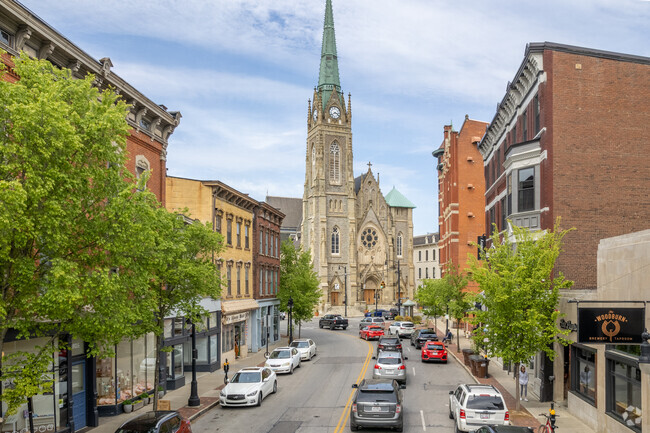
OTR boasts an impressive collection of 19th-century Italianate architecture, making it one of the largest, most intact urban historic districts in the United States. Visitors to OTR can explore its charming streets, lined with beautifully restored buildings that now house trendy boutiques, restaurants, and breweries. The neighborhood’s revitalization in recent years has made it a vibrant destination while preserving its historical integrity.
Mount Adams: From Eden Park to an Artistic Enclave
Mount Adams, perched high above the city, offers breathtaking views of Cincinnati and the Ohio River. This neighborhood’s history dates back to the early 19th century when it was known as Mount Ida. It was later renamed Mount Adams in honor of John Quincy Adams, the sixth President of the United States, who visited the area.
Mount Adams was initially home to vineyards and orchards, benefiting from the fertile soil and favorable climate. Over time, it transformed into an artistic enclave, attracting artists, writers, and musicians. Today, the neighborhood is known for its bohemian atmosphere, art galleries, and the famous Cincinnati Playhouse in the Park.
Columbia-Tusculum: Cincinnati’s Oldest Neighborhood
Columbia-Tusculum holds the distinction of being Cincinnati’s oldest neighborhood. Founded in 1788, just a year after the city itself, it was the first settlement in the area. The neighborhood’s historic district features an array of Victorian-era homes, many adorned with vibrant, eye-catching colors.
Walking through Columbia-Tusculum feels like stepping back in time, with its well-preserved architecture and charming streets. The neighborhood’s residents take great pride in maintaining its historical character while embracing modern amenities. Columbia-Tusculum is a testament to Cincinnati’s rich heritage and enduring appeal.
The West End: A Melting Pot of Cultures
The West End is another historic neighborhood that played a crucial role in Cincinnati’s development. Originally settled by African Americans and European immigrants in the 19th century, the West End became a melting pot of cultures, contributing to the city’s diverse cultural fabric.
One of the neighborhood’s most significant landmarks is the Union Terminal, a stunning Art Deco train station that now houses the Cincinnati Museum Center. The West End’s history is deeply intertwined with the city’s industrial growth, and its vibrant community continues to celebrate its heritage through various cultural events and festivals.
Walnut Hills: A Beacon of Education and Progress
Walnut Hills, established in the early 19th century, has long been a beacon of education and progress in Cincinnati. The neighborhood is home to several historic institutions, including the Harriet Beecher Stowe House, which served as the residence of the famous author and abolitionist.
Walnut Hills has a rich African American heritage and has been a center for civil rights activism and cultural expression. The neighborhood’s historic homes and churches stand as testaments to its enduring commitment to education, social justice, and community development.
Conclusion
Cincinnati’s oldest neighborhoods offer a captivating journey through time, showcasing the city’s rich history and diverse cultural heritage. From the German-influenced streets of Over-the-Rhine to the artistic charm of Mount Adams and the historic significance of Columbia-Tusculum, each neighborhood has a unique story to tell. Exploring these neighborhoods not only provides a glimpse into Cincinnati’s past but also highlights the city’s ongoing efforts to preserve and celebrate its historical legacy.
Whether you’re a history enthusiast, architecture lover, or simply curious about Cincinnati’s roots, these neighborhoods are a must-visit. Their enduring charm and historical significance make them integral parts of the Queen City’s identity, ensuring that Cincinnati’s rich heritage continues to be cherished for generations to come.