
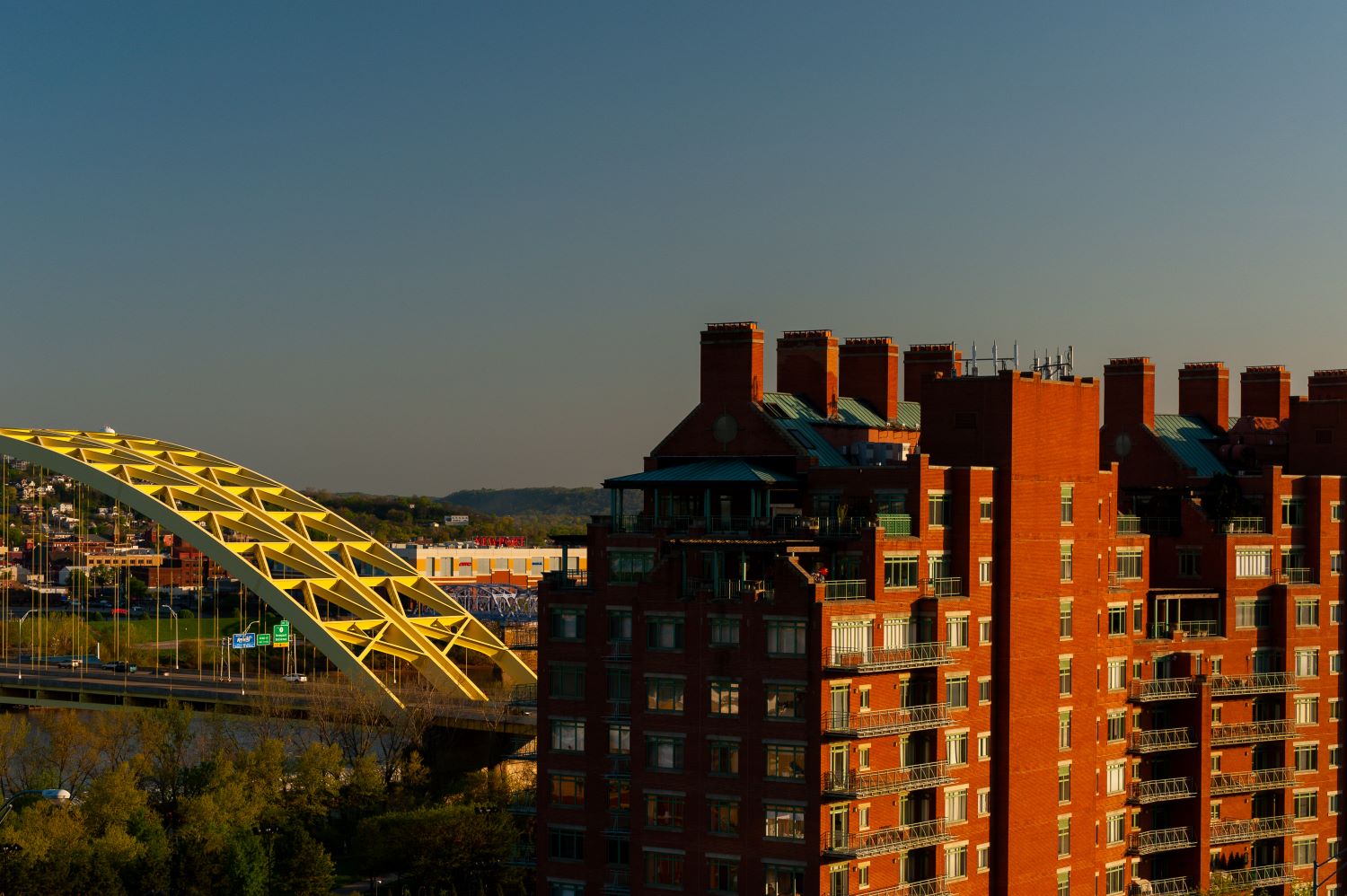
The real estate market in Cincinnati is experiencing dynamic changes, reflecting broader national trends while also showcasing unique local characteristics. As one of Ohio’s most vibrant and historically rich cities, Cincinnati’s housing market offers a blend of opportunities and challenges for buyers, sellers, and investors. Here’s an in-depth look at what’s happening in the Cincinnati real estate scene today.
A Snapshot of the Market
As of mid-2024, Cincinnati’s real estate market is marked by a mix of rising home prices, increased demand, and low inventory levels. According to recent data, the median home price in Cincinnati has seen a steady increase, reflecting both the desirability of the city and broader economic factors such as low-interest rates and high consumer confidence.
Key Trends Shaping the Market
- Increased Demand for Suburban Living: The COVID-19 pandemic has reshaped living preferences, with many homebuyers seeking more space and less density. Suburban areas around Cincinnati, such as Mason, West Chester, and Blue Ash, have become particularly attractive, offering larger homes, good schools, and a suburban lifestyle within a reasonable commute to downtown.
- Urban Revitalization: Despite the suburban trend, urban living remains popular, especially among young professionals and empty nesters. Neighborhoods like Over-the-Rhine and Walnut Hills are experiencing significant revitalization, with historic buildings being converted into modern apartments and condos, and new restaurants, shops, and cultural venues opening up.
- Affordable Housing Initiatives: Cincinnati is actively working to address housing affordability. Various city programs and partnerships with non-profits aim to increase the availability of affordable housing. This is crucial as rising home prices can make it difficult for lower and middle-income families to find suitable housing.
- Technological Integration: The real estate industry in Cincinnati, much like the rest of the country, is embracing technology. Virtual tours, online open houses, and digital transactions have become standard practice, making the home buying and selling process more efficient and accessible.
Opportunities for Buyers and Investors
- Growing Rental Market: With a large student population and a robust job market, Cincinnati’s rental market remains strong. Investors can find opportunities in multi-family properties, especially in areas close to universities and business districts.
- Historic Properties: Cincinnati’s rich architectural history offers unique investment opportunities. Historic homes and buildings, particularly in areas like Mount Adams and Columbia-Tusculum, can be both charming residences and profitable investment properties.
- New Developments: There are several new residential developments in the pipeline, including mixed-use projects that combine living spaces with retail and commercial properties. These developments cater to the growing demand for walkable, amenity-rich communities.
Challenges Facing the Market
- Inventory Shortages: One of the biggest challenges in the Cincinnati real estate market is the low inventory of available homes. This has led to increased competition among buyers, driving up prices and sometimes leading to bidding wars.
- Rising Interest Rates: While interest rates remain relatively low, there is concern about potential increases. Higher interest rates can affect affordability and slow down the market’s growth.
- Economic Uncertainty: Like all markets, Cincinnati is not immune to broader economic uncertainties. Inflation, changes in employment rates, and other economic factors can impact the real estate market.
Conclusion
The Cincinnati real estate market is a dynamic and evolving landscape, presenting both opportunities and challenges. For buyers, sellers, and investors, understanding these trends is crucial for making informed decisions. Whether you’re looking for a suburban haven, an urban lifestyle, or a solid investment, Cincinnati has something to offer. As the city continues to grow and develop, staying abreast of market changes will be key to navigating this exciting real estate market.